Blog

December 28, 2025

Published by Admin

Safety Tips Removalists Use That You Can Follow at Home
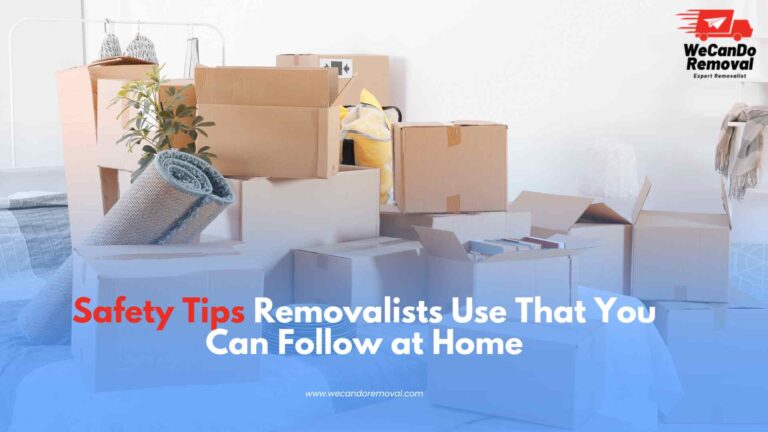
Move Smarter: Safety Tips the Pros Use Every Day
Moving day has a funny way of turning normal people into extreme athletes. Heavy boxes. Awkward furniture. Tight hallways. Slippery driveways. All while running on coffee and adrenaline.
Professional removalists make it look easy, but that is not luck. It is safety systems, habits, and experience.
The good news is you do not need to be a professional mover to borrow their safety playbook. You just need to know what they do differently.
This guide breaks down the real safety techniques removalists use every day and shows you how to apply them at home for a safer, calmer move.
Catchphrase: Safe moves are planned moves.
Why Safety Matters More Than Speed When Moving
Most moving injuries happen when people rush. A box lifted the wrong way. A sofa twisted through a doorway. A slippery step that no one noticed.
Professional movers are trained to move efficiently, but safety always comes first. Speed comes naturally once risk is controlled.
Back strains, smashed fingers, damaged furniture, and broken floors usually happen because safety basics were skipped.
If you only remember one thing from this article, remember this.
Catchphrase: Slow is smooth, smooth is fast.
Safety Rule One: Clear the Path Before You Lift Anything
Removalists never start lifting without first clearing their route. This is one of the most overlooked safety steps at home.
Before any item is moved, professionals check for obstacles, loose rugs, uneven ground, wet surfaces, and tight corners.
Here is how you can do this at home.
- 🧹 Remove clutter from hallways and doorways
- 🧺 Secure loose rugs or remove them completely
- 💡 Turn lights on so nothing is hidden in shadows
- 🚪 Open doors fully and lock them in place
- 🪜 Check stairs for slippery edges or debris
This takes minutes and can prevent serious injuries.
Catchphrase: Clear paths prevent accidents.
Safety Rule Two: Lift With Your Legs, Not Your Ego
Every removalist learns this early. Backs are precious and easily damaged.
The most common injury during DIY moves is lower back strain. It usually happens when someone bends at the waist instead of the knees.
These are the basic lifting habits professionals follow.
- 🦵 Bend your knees and keep your spine straight
- 📦 Hold items close to your body for control
- 🔄 Avoid twisting while carrying weight
- 🤝 Ask for help instead of forcing it
If something feels too heavy, it is too heavy. There is no prize for lifting alone.
Catchphrase: Strong legs save weak backs.
Safety Rule Three: Know Your Weight Limits
Removalists assess weight before lifting. They do not guess. They test.
Furniture often weighs more than it looks, especially solid timber pieces, fridges, washing machines, and modular lounges.
What professionals do differently.
- 🧠 Test lift first before committing to a full carry
- 👥 Add help if it needs two or more people
- 🛠️ Use equipment instead of brute force
At home, many injuries happen because people underestimate weight and overestimate strength.
Catchphrase: Respect the weight or regret the lift.
Safety Rule Four: Use the Right Equipment Every Time
Professional movers rarely lift heavy items without tools. Equipment reduces strain and improves control.
Common equipment removalists rely on.
- 🛞 Furniture dollies for heavy and awkward items
- 🪢 Straps to secure loads and improve grip
- 🧤 Gloves for better handling and hand protection
- 🛋️ Furniture blankets to prevent scratches and dents
- 🧱 Corner protection for walls and door frames
You can hire or buy basic moving equipment cheaply. It costs far less than repairing damage or recovering from injury.
Catchphrase: Tools protect bodies and homes.
Safety Rule Five: Break Furniture Down Whenever Possible
Removalists almost always dismantle furniture when it is safe to do so. Beds, tables, desks, and modular sofas become easier and safer when separated.
Benefits of dismantling furniture.
- 🧩 Lighter pieces that are easier to control
- 🚪 Better clearance through tight spaces and stairwells
- 📉 Lower risk of dropping or snagging items
- 🛡️ Less damage to walls and furniture edges
Keep screws in labelled bags and tape them to the item. Professionals do this every time to avoid frustration later.
Catchphrase: Smaller pieces move safer.
Safety Rule Six: Pack Boxes Like a Professional
Many injuries happen before moving day during packing. Bad boxes cause bad lifts.
Professional packers follow strict rules.
- 📦 Heavy items go in small boxes
- 🧻 Fragile items are wrapped individually
- ⚖️ Boxes are balanced so weight is even
- 🏷️ Labels are clear so boxes go to the right room
Overfilled boxes cause lifting injuries and box failures. Underfilled boxes collapse. Balance matters.
If you want a faster, safer pack, consider a packing and unpacking service that uses the right materials and packing methods from the start.
Catchphrase: A good pack prevents a bad lift.
Safety Rule Seven: Never Rush Stairs
Stairs are the most dangerous part of any move.
Removalists slow down on stairs. They communicate constantly and never assume the next step is clear.
Safe stair practices.
- 🗣️ Call out movements like lifting, lowering, and stopping
- 👥 Use two people for awkward loads
- 🛑 Stop immediately if balance is lost
- 👀 Keep visibility and do not carry items that block your view
Never carry more than you can control on stairs. Visibility matters more than speed.
Catchphrase: Stairs demand respect.
Safety Rule Eight: Protect Floors and Walls Before Moving
Professional movers protect homes before lifting begins. At home, damage often happens because floors and walls were not considered.
Simple protection tips.
- 🧴 Lay cardboard or mats to protect floors
- 🧱 Cover corners with blankets or padding
- 🚪 Remove doors if clearance is tight
- 💡 Watch fixtures like ceiling lights and railings
Protecting surfaces reduces stress and prevents costly repairs.
Catchphrase: Protect first, move second.
Safety Rule Nine: Communicate Constantly
Removalists talk through every move. Silence causes mistakes.
Use simple commands that everyone understands.
- 🗣️ Lifting
- ⬇️ Lowering
- 🛑 Stop
- ✅ Clear
- 👣 Step
Even if it feels awkward, communication keeps everyone safe.
Catchphrase: Talk first, lift second.
Safety Rule Ten: Know When to Stop
Professional movers listen to their bodies. Fatigue causes mistakes.
If you feel pain, dizziness, or extreme exhaustion, stop.
Warning signs to respect.
- 😖 Sharp or sudden pain
- 😵 Lightheadedness
- 🫁 Shortness of breath
- 😤 Loss of grip strength
Resting is not weakness. It is prevention.
Catchphrase: Stopping early prevents long recovery.
A Real World Lesson From the Job
A common story removalists see is someone injuring themselves on the last item. The couch. The fridge. The final box.
Fatigue and impatience combine and safety habits disappear.
Professionals know the last lift is often the most dangerous. That is why they slow down at the end.
Catchphrase: Finish strong by slowing down.
One Credible Safety Stat Worth Knowing
Moving related injuries remain one of the most common causes of back strain during home relocations. The majority occur during lifting and carrying heavy items without proper technique or assistance.
Professional movers reduce injury rates through training, equipment, and planning. Safety works when applied consistently.
Catchphrase: Systems beat strength.
When Following Safety Tips Is Not Enough
Even with perfect technique, some moves are simply too risky to DIY.
Heavy furniture, tight staircases, fragile items, and time pressure increase danger quickly.
This is why many people choose professional movers not for convenience, but for safety.
Your health is worth more than saving a few dollars.
If you are relocating your home, a local residential removalist team can help reduce risk with trained movers and the right equipment.
If you are dealing with heavy lounges, fridges, or awkward items, a professional furniture removal service can prevent injuries and property damage.
If you are moving a workplace, a commercial business removalist team can handle logistics safely and reduce downtime.
Catchphrase: Some risks are not worth taking.
Final Thoughts: Move Smart, Not Hurt
You do not need to be a professional removalist to move safely. You just need to think like one.
Clear paths. Proper lifting. Good equipment. Clear communication. Planned movements.
These habits protect your body, your home, and your belongings. Moving does not have to end in pain or damage.
Catchphrase: Smart moves are safe moves.
Need Help With Your Move?
If you are planning a move and want it done safely, professionally, and without the stress, our team is here to help.
Whether you are moving locally, relocating your home, or just need advice on the next steps, feel free to get in touch with us.
👉 Contact us today to discuss your move and get the support you need.
Your move does not have to be complicated. Let us help make it simple.
Share:


Related Blog: